

Quick Pickled Additions for Asian Fusion Meals
Quick pickling is an easy way to add tangy, crunchy flavors to Asian fusion dishes like banh mi sandwiches or poke bowls. This no-cook method uses a vinegar-based brine to pickle vegetables in as little as 30 minutes. Popular options include cucumbers, daikon, carrots, jalapeños, and red onions, each bringing unique textures and flavors to balance rich or savory meals. These pickles can last up to three weeks in the fridge, making them a convenient and flavorful addition to your kitchen. Whether you're looking for a spicy kick, a touch of sweetness, or a colorful garnish, quick-pickled veggies are a fast and flexible solution. Keep reading for recipes and tips to create your own at home.
10 Easy Japanese Pickles (Tsukemono) Recipes for Beginners | Vegan | Authentic Japanese Food
sbb-itb-820fb79
Quick-Pickled Vegetables for Asian Fusion Dishes
Pickled vegetables are a simple yet powerful way to enhance the flavors of Asian fusion dishes. Whether you're layering them into a banh mi or sprinkling them over a poke bowl, these tangy and flavorful additions bring balance and depth to your meals. Here's a closer look at some popular options.
Pickled Cucumbers with Ginger and Garlic
Persian or English cucumbers are perfect for quick pickling because their thin skins don't require peeling, and they stay crunchy even after soaking in brine. The brine itself is a flavorful mix of rice vinegar, soy sauce, sesame oil, ginger, and garlic, creating a tangy and savory profile. A pinch of red pepper flakes adds a gentle heat, making these pickles an excellent match for poke bowls or tofu-based dishes.
To keep the cucumbers crisp, salt them for 15–20 minutes before pickling to draw out excess moisture. These pickles bring a satisfying crunch and a burst of flavor to your favorite Asian-inspired meals.
Pickled Daikon and Carrots for Banh Mi
This classic Vietnamese duo is a must-have for banh mi sandwiches. Thinly julienned daikon and carrots - about 1/4 inch thick - are pickled in a simple brine of distilled white vinegar, water, sugar, and salt. The result? A sweet, tangy, and crunchy addition that balances the richness of fillings like pork or pâté.
If daikon radish isn’t available, you can substitute with red radishes or even jicama. These pickles keep well in the fridge for up to three weeks, making them a convenient option to have on hand. Their vibrant flavor and crisp texture can elevate any sandwich or rice bowl.
Pickled Jalapeños and Red Onions
For dishes that need a little heat and color, pickled jalapeños and red onions are a fantastic choice. The jalapeños add spice, while the red onions bring a mild sweetness and a pop of color. Both are pickled in seasoned rice vinegar with garlic and salt, resulting in a brine that's gentler than the one used for daikon and carrots.
These pickles are ready to enjoy in as little as 30 minutes to an hour, though their flavors become more pronounced if left overnight. Use them in bao buns, spicy wraps, or poke bowls to add a bright, spicy kick that complements rich and savory flavors.
Advanced Quick-Pickled Combinations
Once you've got the basics down, it's time to experiment with some advanced recipes that bring exciting new dimensions to your Asian-inspired dishes. These combinations take the humble pickle to the next level, offering bold flavors and unique textures.
Japanese-Style Pickled Cucumbers with Sesame
Japanese quick pickles, or asazuke, are light, nutty, and a perfect match for richer meals. Start with seedless cucumbers that have thin skins for the best crunch. Slice them thinly, sprinkle with salt, and let them rest for 10–30 minutes to remove excess water. After rinsing and gently squeezing them dry, prepare a brine with rice vinegar, sugar, sesame oil, and toasted sesame seeds. Toss the cucumbers in the mixture, and they’re ready in about 15 minutes. However, letting them marinate for several hours - or even overnight - brings out deeper, more layered flavors.
For an extra umami kick, add a splash of soy sauce and a handful of sliced green onions. These pickles shine as toppings for dishes like poke bowls, pork belly buns, or beef bulgogi bowls. Plus, they’re a low-calorie option, ranging from just 22 to 39 calories per serving, and can be stored in the fridge for up to a month in an airtight container. The Lemon Bowl’s version of Japanese Quick Pickled Cucumbers has earned a 4.2 out of 5 stars rating from 109 reviewers, who loved its balance of nutty and tangy notes.
Looking for something with a bit more heat? Check out the next recipe.
Spicy Asian Pickled Cucumbers
If you’re craving a quick pickle with a fiery kick, spicy Asian cucumbers are a fantastic option. They come together fast - just 10 minutes after preparation - and deliver a punchy mix of tangy, sweet, salty, and spicy flavors. The secret lies in the brine: rice vinegar for acidity, agave or sugar for sweetness, soy sauce for a savory depth, and red pepper flakes or fresh chiles for heat.
Start by salting the cucumbers briefly to draw out their moisture, then transfer them with a slotted spoon to maintain their crisp texture. Mix the brine ingredients, tweaking the sweetness, acidity, or spice to your liking. For a dynamic flavor profile, pair hot chiles like jalapeños with milder ones such as shishitos. A drizzle of sesame oil at the end adds a smooth, nutty finish. This recipe has received a perfect 5 out of 5 stars from 11 reviewers, with many praising its "sweet-savory" harmony.
Cindy Rainey, a vegan recipe developer, highlights the benefits of this method:
The quick pickling method not only preserves the crispness of the cucumbers but also enhances their natural taste with the depth of the vinegar mixture.
Pickled Asian Herbs and Vegetables
For a more layered approach, try pickling a mix of vegetables and herbs. Combine julienned daikon, carrots, red onions, and jalapeños for a colorful and refreshing medley. This mix showcases how blending different vegetables can create a depth of flavor that’s greater than the sum of its parts. Start by tossing the vegetables with sea salt for 4–5 minutes to soften them slightly.
Next, make a warm brine by dissolving sugar in a mix of water and distilled white vinegar over heat. Pour the brine over the vegetables while it’s still warm. These pickles can be enjoyed after just an hour, but letting them sit overnight in the fridge intensifies their tangy punch. Store them in a sealed glass jar, and they’ll stay fresh for up to three weeks. This recipe has earned a 5 out of 5 stars rating from readers of The Modern Proper, with many applauding its "delightful crunch" and versatility.
Using Harold's Pickles with Asian Fusion Dishes

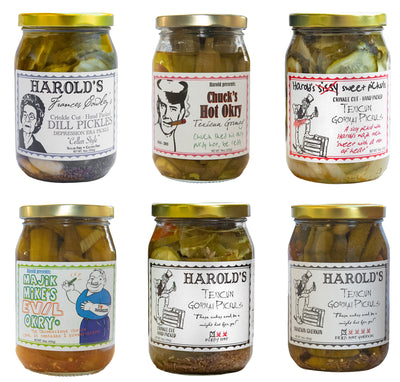
When you're short on time but still craving bold, flavorful meals, Harold's Pickles are here to save the day. These Texas-made pickled goodies pack a punch and are perfect for enhancing Asian fusion dishes like banh mi sandwiches, poke bowls, and more. With their high-quality ingredients and ready-to-use convenience, they make it easy to add a flavorful twist to your meals. Here are some standout options to try.
Harold's Texicun Gormay Pickuls for Spicy Dishes

For dishes that lean into spice, Harold's Texicun Gormay Pickuls are a perfect match. These pickles bring a fiery kick that pairs beautifully with the layers of flavor in Asian-inspired cuisine. Take a banh mi sandwich, for example - its creamy mayo, savory pâté, and rich pork are all perfectly balanced by the tangy, spicy bite of these pickles. Similarly, in a spicy poke bowl with sriracha-marinated tuna or salmon, the pickles add a sharp, zesty edge and a satisfying crunch to offset the softer textures. As Harold's proudly states, "In Texas, we use simple ingredients to make our hot pickles", and that simplicity shines in these heat-forward creations.
Chuck's Hot Okry for Added Crunch

If you're looking for a unique texture and a touch of habanero heat, Chuck's Hot Okry is the way to go. This pickled okra stands out with its natural snap, making it a great addition to fusion bowls, sandwiches, or even comforting dishes like Korean-style porridge. Swap out traditional pickled peppers in a banh mi for Chuck's Hot Okry to add an unexpected twist - its crisp bite and spicy flavor take the sandwich to a new level. Plus, the spicy brine can be repurposed into a creative salad dressing. Just whisk it with sesame oil, much like the brine from Korean jangajji, to create a fusion-inspired vinaigrette.
Francis Cowley's Dill Pickles for Classic Flavor
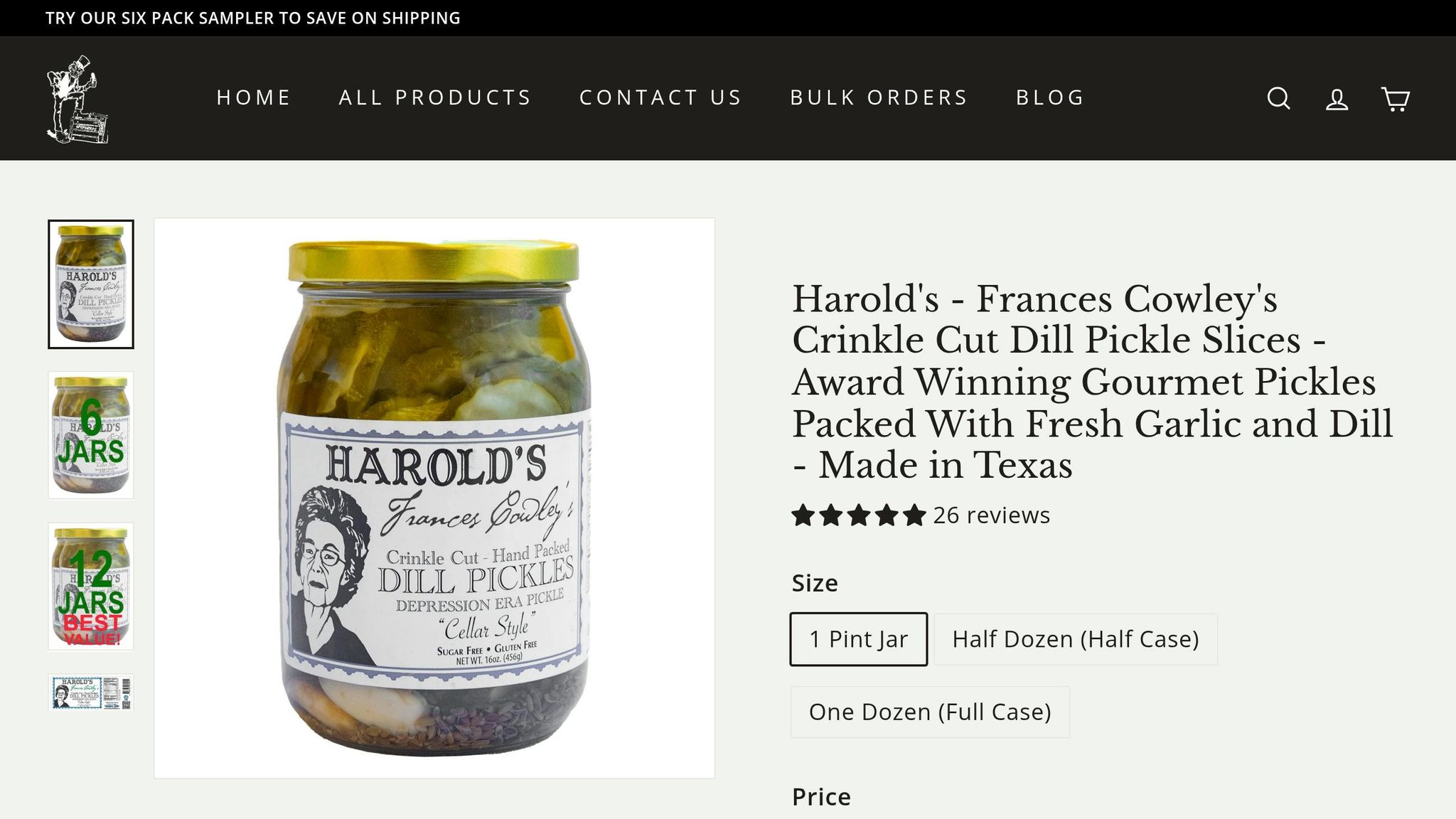
For those who prefer a more traditional taste, Francis Cowley's Dill Pickles are an excellent choice. Their classic dill tang complements rich and bold components like sesame oil, fatty meats, and creamy sauces without introducing extra heat or unusual spices. These pickles are perfect for bridging the gap between familiar American flavors and adventurous Asian fusion dishes. Whether you're building a rice bowl or layering flavors in a sandwich, their balanced acidity enhances the dish without stealing the spotlight. It's a simple yet effective way to elevate your meal while keeping it approachable for all palates.
Quick Pickling Brine Comparison
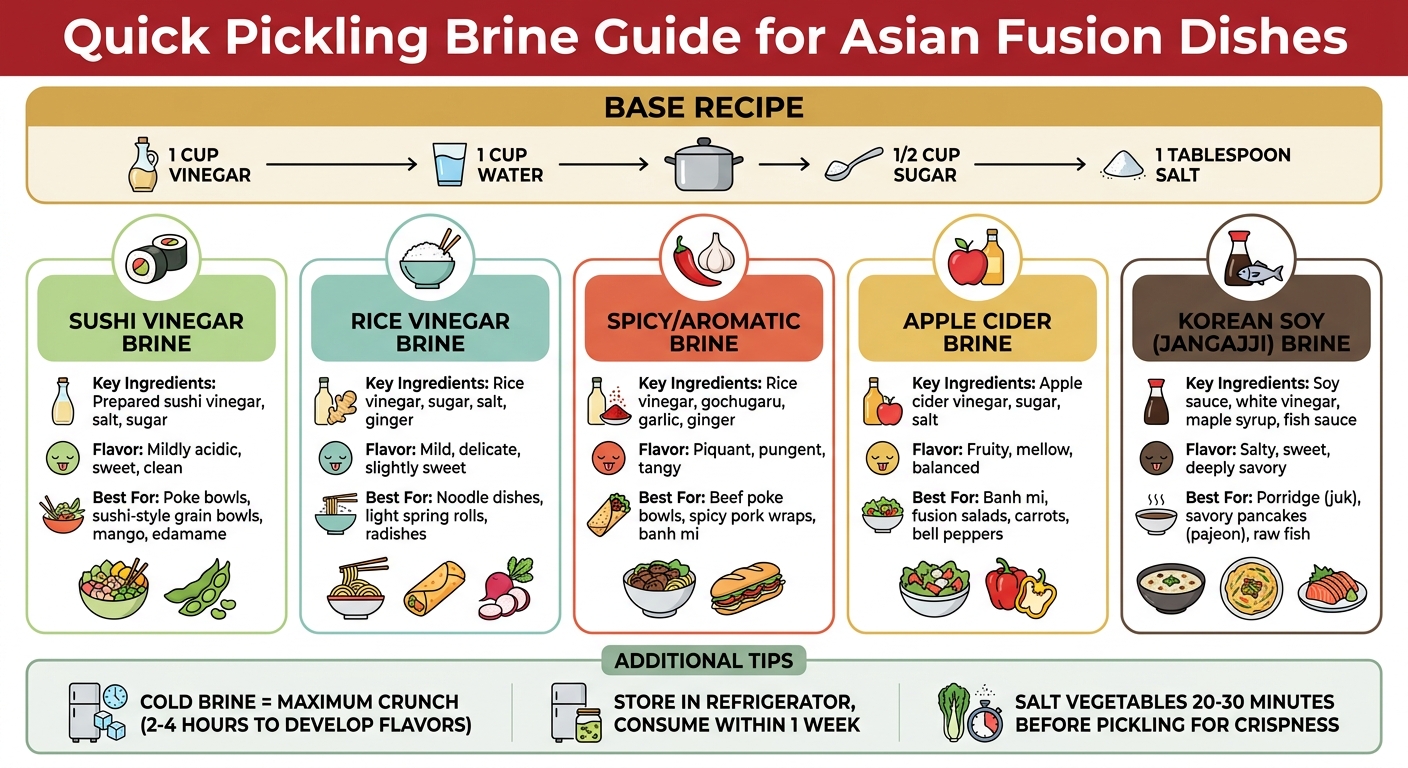
Quick Pickling Brine Types and Best Pairings for Asian Fusion Dishes
Brine Ingredients and Flavors
If you're aiming to elevate your Asian fusion dishes with quick-pickled condiments, getting the brine just right is the first step. A solid base to start with is 1 cup vinegar, 1 cup water, 1/2 cup sugar, and 1 tablespoon salt. From there, you can tweak the recipe by experimenting with different vinegars and flavor enhancers.
Rice vinegar is a fantastic choice for Asian-inspired pickles because of its mild, slightly sweet flavor that complements delicate vegetables. As Silas, Founder of Flavor365, puts it:
Rice vinegar... is fantastic for delicate vegetables where you don't want to blast them with acidity.
For different flavor profiles, you can switch it up:
- Rice vinegar: Adds a mild, slightly sweet touch.
- Distilled white vinegar: Brings a sharper, tangier edge, great for sturdier vegetables.
- Apple cider vinegar: Offers a fruity, balanced twist.
To up the flavor game, add ingredients like fresh ginger or garlic for a sweet-savory kick. A dash of soy or fish sauce introduces umami, perfect for Korean-style pickles like jangajji. For vegetables with high water content, salting them for 20–30 minutes before pickling helps maintain their crispness. Also, trimming the blossom end can prevent enzymatic softening.
Once you’ve nailed the basics, it’s time to match specific brine types to the dishes you’re creating.
Best Dishes for Each Brine Type
| Brine Type | Key Ingredients | Flavor Profile | Best Pairings |
|---|---|---|---|
| Sushi Vinegar | Prepared sushi vinegar, salt, sugar | Mildly acidic, sweet, clean | Poke bowls, sushi-style grain bowls, mango, edamame |
| Rice Vinegar | Rice vinegar, sugar, salt, ginger | Mild, delicate, slightly sweet | Noodle dishes, light spring rolls, radishes |
| Spicy/Aromatic | Rice vinegar, gochugaru, garlic, ginger | Piquant, pungent, tangy | Beef poke bowls, spicy pork wraps, banh mi |
| Apple Cider | Apple cider vinegar, sugar, salt | Fruity, mellow, balanced | Banh mi, fusion salads, carrots, bell peppers |
| Korean Soy (Jangajji) | Soy sauce, white vinegar, maple syrup, fish sauce | Salty, sweet, deeply savory | Porridge (juk), savory pancakes (pajeon), raw fish |
For maximum crunch when pickling delicate vegetables, consider using a cold brine. Keep in mind, though, that cold brines may take 2 to 4 hours to fully develop their flavors. Since quick pickles aren’t shelf-stable, store them in the refrigerator and consume them within a week to enjoy their optimal texture and taste.
These brine profiles can help you create the perfect pickled accompaniments for dishes like banh mi, poke bowls, and more.
Conclusion
Quick-pickled condiments bring a perfect balance of acidity, crunch, and flavor depth to Asian fusion dishes. They pair beautifully with rich proteins, fluffy rice, and creamy sauces, elevating meals like poke bowls, banh mi, or fusion rice bowls. Their bright tang and texture add excitement to every bite.
What makes quick pickling stand out is its speed and versatility. In just about an hour, you can create crisp, flavorful pickles - and even better, the leftover brine can be repurposed. Chef Sunny Lee highlights this beautifully:
The pickling brine ends up being the true reward... a savory elixir that can be drizzled over bowl of juk, served as a dipping sauce for pajeon or sliced raw fish.
This approach ensures nothing goes to waste, giving you more value from each batch.
If you're short on time but still want these bold flavors, Harold's Pickles offers convenient, high-quality options. Their Texicun Gormay Pickuls add a spicy edge to beef poke bowls or Korean-inspired wraps, while Chuck's Hot Okry delivers crunch and heat to rice bowls. For a classic tang, Francis Cowley's Dill Pickles are an excellent addition to banh mi sandwiches or fusion-style burgers.
Feel free to experiment with different vegetables, brine recipes, and spice levels to find your ideal combinations. Keep techniques for maintaining crunch in mind, adjust heat with your choice of chiles, and don’t forget to use leftover brine as a flavorful dressing or dip. With the right pickled accents, your Asian fusion meals will be more vibrant and satisfying.
FAQs
How do I keep quick pickles crunchy?
To keep quick pickles crisp, start with a fresh brine made from equal parts vinegar and water, along with salt and sugar. Heat the mixture to dissolve the sugar and salt, then pour it over freshly sliced vegetables. Allow the pickles to cool in the jar before refrigerating them for at least 30 minutes. The key to crunchy pickles lies in using fresh produce and following proper preparation steps.
Which vinegar is best for Asian-style quick pickles?
Seasoned rice wine vinegar is the top choice for Asian-style quick pickles. For the best flavor, choose a brand that uses sugar rather than high fructose corn syrup. This vinegar complements the sweet and tangy flavors often found in Asian-inspired recipes.
How can I use leftover pickling brine?
Leftover pickling brine is a great way to add flavor and extend the life of fresh ingredients. You can pour it over vegetables to make quick pickles or use it as a tangy marinade for proteins or veggies. Just be sure the brine is safe to reuse - store it correctly and always check for any off smells or signs of spoilage before repurposing.
Leave a comment